
Blog
How to Start a Miniature Arsenal Collection | Expert Collector’s Guide 2026

How to Start a Miniature Arsenal Collection | Expert Collector’s Guide 2026
So you’ve graduated from casual curiosity to serious pursuit. Your eye for detail is sharper, your patience for finding the right piece is longer, and your standards for quality have risen considerably — welcome to the upper tier of miniature arsenal collecting.
Whether your focus is 18th-century flintlock replicas, WWII-era cartridge miniatures, or hand-engraved precision scale models, starting — or strategically expanding — a miniature arsenal collection requires more than enthusiasm. It demands knowledge, methodology, and access to the right sources.
This guide is written specifically for experienced hobbyists and enthusiasts who already understand the basics and are ready to build a collection that holds both aesthetic and long-term investment value.
What Exactly Is a Miniature Arsenal Collection?
A miniature arsenal collection is a curated assemblage of scale-model firearms, ammunition, and military ordnance, typically ranging from 1:2 to 1:6 scale, crafted with varying degrees of functional accuracy and artistic detail. These pieces span:
- Miniature handguns and long arms — scaled replicas of historically significant or militarily notable firearms
- Miniature ammunition and cartridges — individual bullet and cartridge replicas, often era-specific
- Miniature ordnance and accessories — grenades, cannons, bayonets, and field equipment in miniature form
- Limited-edition artistic pieces — hand-engraved, precious-metal-finished, or artist-signed collector editions
Unlike decorative novelties, serious collector-grade miniatures are typically die-cast, hand-finished, or machined from solid metal, with provenance documentation and certificates of authenticity.
Step 1: Define Your Collection Focus Before You Buy a Single Piece
The most common mistake even experienced collectors make when expanding into miniature arsenals is buying broadly before buying strategically. Defining a collection thesis early protects your budget and creates a coherent, high-value assemblage that appreciates over time.
Choose Your Era
- Pre-19th Century — flintlocks, matchlocks, blunderbusses, and early percussion cap arms
- American Civil War & Victorian Era — Springfield, Enfield, and Colt Single Action replicas
- World War I & II — Lugers, M1 Garands, Webley revolvers, and iconic ordnance
- Cold War & Modern Military — AK-47s, M16s, Desert Eagles, and special operations weapons
Choose Your Category Depth
Some collectors focus exclusively on one manufacturer’s output across all eras (e.g., Colt, Winchester, or Smith & Wesson miniatures). Others build theatre-specific collections — everything used in the Pacific Campaign, for example. Depth beats breadth every time for long-term valuation.
Set a Tier Budget
Miniature arsenal pieces range from $45 for production-run die-cast models to $4,000+ for hand-engraved sterling silver limited editions. Knowing your tier — entry collector, mid-market, or premium — prevents impulse acquisitions that dilute collection coherence.
Step 2: Master Authentication — The Skill That Separates Serious Collectors
The miniature collectibles market has a significant counterfeit and misrepresentation problem. Pieces are frequently mislabeled, reproductions are sold as originals, and provenance is fabricated. As an experienced hobbyist, authentication is your most valuable skill.
Key Authentication Markers to Examine
1. Maker’s Marks and Hallmarks
Legitimate collector-grade miniatures carry stamped or engraved maker’s marks, often on the underside of the frame or barrel. Cross-reference these against known manufacturer databases — studios like Franklin Mint, Danbury Mint, Umarex, and Denix each have documented mark libraries.
2. Material Density and Finish Quality
Authentic die-cast or machined pieces have consistent weight distribution and factory-correct finishes. Run a rare-earth magnet test — genuine steel-alloy pieces respond consistently, while pot-metal counterfeits often show irregular magnetism due to alloy inconsistency.
3. Certificate of Authenticity (COA) Chain
A legitimate COA includes the piece’s edition number, total run size, production year, and a verifiable serial number. Treat any COA without a cross-referenceable serial number as suspect.
4. Provenance Documentation
For secondary market acquisitions, request the full ownership history. Pieces with documented provenance — auction house records, prior collection catalogues, or estate documentation — carry significantly higher authentication confidence and resale value.
Step 3: Know Where to Source Rare Miniature Arsenal Pieces
Access to quality sourcing is what separates a stagnant collection from a growing one. Experienced collectors don’t rely on a single channel — they cultivate a multi-source acquisition strategy.
Primary Market Sources
- Specialty collector retailers — dedicated miniature arsenal and militaria retailers (like Miniature Arsenal) offer curated, authenticated inventory with direct manufacturer relationships
- Limited-edition direct releases — many premier studios release new pieces exclusively through their collector club memberships or newsletter subscriber lists before public availability
Secondary Market Sources
- Major auction houses — Heritage Auctions, Rock Island Auction, and James D. Julia regularly feature miniature militaria and firearms collectibles in dedicated catalogue sales
- Estate sales and private collections — some of the rarest pieces come through estate liquidations; cultivating relationships with estate attorneys and auctioneers in your region pays dividends
- Collector forums and communities — platforms like The Firearms Forum, Collectors Universe, and dedicated militaria Facebook groups are active trading environments with peer authentication networks
Red Flags to Avoid
- Sellers unable to provide manufacturer documentation
- “Rare” pieces available in unlimited quantity
- Pricing significantly below known market value without explanation
- No return or authentication dispute policy
Step 4: Build a Professional Storage and Display System
A collection without proper preservation infrastructure loses value rapidly. Experienced collectors treat storage and display as a technical discipline, not an afterthought.
Environmental Controls
- Humidity: Maintain 45–55% relative humidity to prevent metal oxidation and wood/grip degradation
- Temperature: Stable 65–70°F (18–21°C) prevents expansion-contraction cycling that damages fine finishes
- UV Exposure: UV-filtering display cases or museum-grade acrylic glazing prevents color fade on wooden stocks, grip scales, and packaging
Display Best Practices
- Individual acrylic risers or mounts — allow 360° viewing without handling
- Foam-lined interiors — closed-cell polyethylene foam (not standard foam rubber, which off-gasses acids) for storage drawers
- Labeling system — each piece should have an internal catalogue number cross-referenced to your collection database
- Security — consider a dedicated display cabinet with a keyed lock; for high-value pieces, a small in-home safe provides additional protection
Collection Database Management
Maintain a digital inventory with high-resolution photographs (front, back, maker’s mark close-up), acquisition source, purchase price, current estimated value, and COA scan for every piece. Tools like Collectify, ArtBinder, or even a structured Notion database work well for this purpose.
Step 5: Understand Valuation and the Miniature Arsenal Market
Serious collectors know their collection’s current market value at all times — both for insurance purposes and for strategic acquisition and disposal decisions.
Primary Valuation Factors
- Edition size — smaller production runs command exponentially higher premiums; sub-500 editions are highly desirable
- Condition grade — Mint-in-Box (MIB), Near Mint (NM), and Very Fine (VF) grades significantly impact value; even minor handling wear reduces premium pricing
- Historical significance — pieces tied to specific historical events, military units, or notable figures carry narrative premiums
- Maker prestige — hand-work by recognized artisans or prestigious studios (Franklin Mint platinum editions, for example) holds value independently of subject matter
- Original packaging — factory boxes, outer sleeves, and original polishing cloths are part of the collectible package; missing packaging reduces value by 20–40%
Getting Your Collection Appraised
For insurance and estate planning, use a certified personal property appraiser (look for USPAP-certified appraisers with militaria specialization). Major auction houses also offer complimentary appraisal services for pieces they might carry in future catalogue sales.
Step 6: Connect With the Collector Community
The miniature arsenal collecting community is global, passionate, and — for those who engage genuinely — remarkably generous with knowledge. Community engagement accelerates your expertise and opens sourcing channels you simply cannot access as a solo collector.
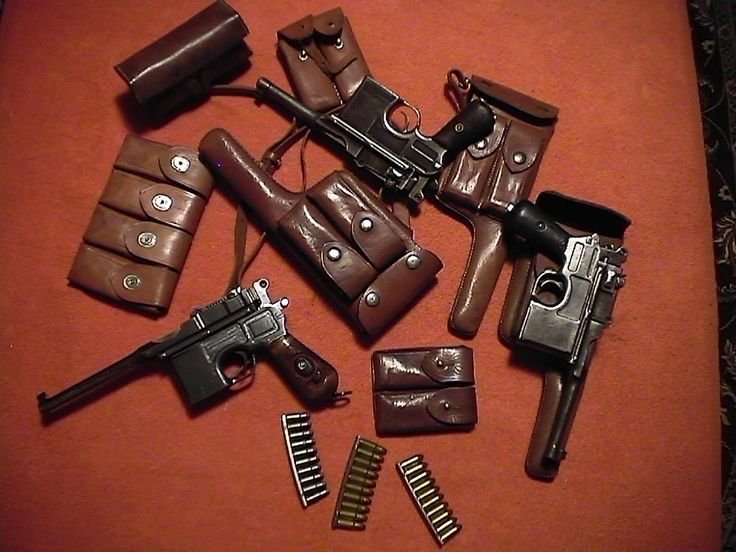
vintage miniature arsenals on sales for collectors .
Where to Engage
- Shows and militaria fairs — the Antique Arms Show (Las Vegas), Ohio Gun Collectors Association Shows, and international militaria fairs in the UK and Germany are premier annual events
- Online collector clubs — many studios maintain official collector clubs with exclusive member access to limited releases and authentication support
- Social media communities — Instagram’s militaria collector community (#militariacollector, #miniatureguns, #firearmscollector) is active and visually rich; YouTube channels dedicated to collector unboxings and reviews are excellent market intelligence tools
Contributing Your Expertise
The most respected collectors in any niche are those who give back — writing reviews, contributing to authentication databases, mentoring newer collectors, and sharing provenance research. Reputation in the collector community is a currency that opens doors to private sales and early access to rare pieces.
Step 7: Legal Considerations for Miniature Arsenal Collectors
While miniature firearms replicas are generally not regulated in the same manner as functional firearms, there are important legal considerations every serious collector should understand.
- Import regulations — some jurisdictions restrict the import of realistic firearm replicas regardless of scale; always verify customs regulations before international purchases
- Insurance coverage — standard homeowner’s insurance typically caps collectibles coverage at $1,000–$2,500; a dedicated collectibles insurance policy (Collectibles Insurance Services, American Collectors Insurance) is essential for any collection of meaningful value
- Estate planning — document your collection formally in your estate plan, including current appraisals, to ensure pieces are appropriately valued and distributed
Building a Collection That Lasts
The difference between a collection and an accumulation is intention. Every piece in a truly great miniature arsenal collection has been chosen deliberately, authenticated rigorously, stored professionally, and understood in its historical and market context.
As you grow your collection, return regularly to your collection thesis. Does this piece deepen the story you’re building? Does it raise the average quality of your assemblage? Does it fill a genuine gap — or simply fill space?
The collectors whose collections endure — and appreciate — are those who ask these questions before every acquisition.
Frequently Asked Questions about miniature arsenal
Q: What is the best scale for miniature arsenal collecting?
A: The most common collector scales are 1:2 (half-size) and 1:3, which provide enough detail to appreciate mechanical accuracy while remaining displayable. Some specialist collectors focus on 1:6 scale for cross-collection display with military figure dioramas.
Q: How do I insure my miniature arsenal collection?
A: Standard homeowner’s policies are insufficient for serious collections. Dedicated collectibles insurers like Collectibles Insurance Services or American Collectors Insurance offer agreed-value policies covering breakage, theft, and transit — typically at $1–$2 per $100 of insured value annually.
Q: Are miniature arsenal pieces a good investment?
A: Limited-edition, authenticated pieces from prestigious makers have demonstrated consistent appreciation, particularly sub-500 edition runs tied to significant historical anniversaries. However, like all collectibles, investment value is never guaranteed — collect first for passion, second for value.
Q: Where is the best place to buy authentic miniature arsenal collectibles online?
A: Dedicated specialty retailers with documented manufacturer relationships, clear authentication policies, and verifiable COA issuance are the safest primary market source. Auction houses are the safest secondary market source for high-value acquisitions.
Q: How do I spot a fake miniature collectible firearm?
A: Check maker’s marks against known manufacturer databases, assess weight and material consistency, verify COA serial numbers independently, and request full provenance documentation. When in doubt, consult a specialist appraiser before purchasing.
Final Thoughts
Building a serious miniature arsenal collection is one of the most intellectually rewarding pursuits in the collectibles world — it sits at the intersection of military history, metallurgical craftsmanship, and precision artistry. Done right, it produces a collection that is both a personal statement and a lasting legacy.
Whether you’re deepening an existing collection or restructuring your acquisition strategy for the years ahead, the principles in this guide will serve you at every stage.
Explore authenticated, curated miniature arsenal pieces at Miniature Arsenal — your trusted source for collector-grade miniature firearms, ammunition replicas, and military ordnance collectibles.
Published by Miniature Arsenal | Collectibles / Hobbies / Specialty
Category: Collecting Guides | Tags: miniature arsenal, miniature ammunition collecting, miniature gun models, rare miniature cartridges, collectible miniature weapons, how to start a miniature arsenal collection